Understanding Inbound Marketing: How to Attract Customers Instead of Distracting Them
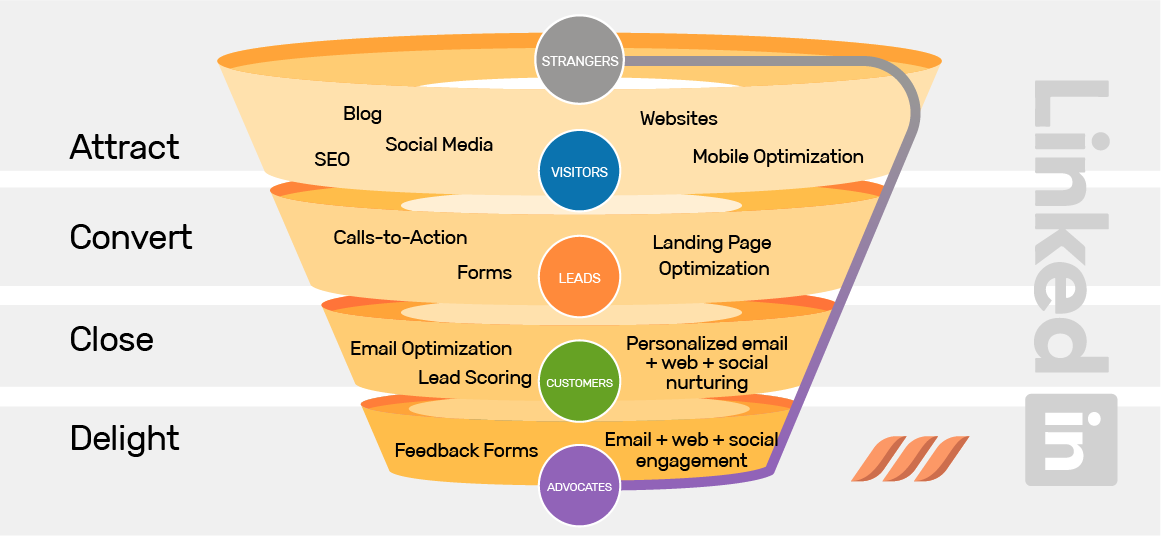
Inbound marketing is a strategy focused on attracting customers by creating valuable content and experiences tailored to their interests. Unlike traditional marketing, which often interrupts potential customers with ads, inbound marketing seeks to draw them in naturally. This approach emphasizes understanding your target audience and their pain points, enabling businesses to produce informative blog posts, engaging social media content, and helpful resources that align with the customers' needs. For a deeper dive into inbound marketing principles, check out HubSpot's Guide.
One of the core elements of inbound marketing is the creation of compelling content. This can range from blog posts to videos, infographics, and eBooks. When crafted thoughtfully, this content not only attracts visitors but also nurtures them through the buyer's journey—from awareness to consideration and finally to decision-making. By offering solutions rather than pushing sales, businesses can build trust and credibility. For more insights on crafting effective inbound strategies, visit HubSpot's Marketing Blog.
10 Proven Strategies for Effective Inbound Marketing That Attracts Your Ideal Audience
Inbound marketing is a powerful approach that focuses on attracting customers through relevant and helpful content rather than interruptive advertising. To successfully implement this strategy, it’s essential to understand your ideal audience. Conducting thorough buyer persona research allows you to create tailored content that resonates with their needs and preferences. Once you have a clear picture of your target audience, the following ten strategies can help you effectively draw them in:
- Create High-Quality Content: Quality over quantity is crucial. Invest in producing insightful articles, videos, and infographics that provide value.
- Optimize for SEO: Utilize SEO best practices to improve visibility on search engines. This includes keyword research, on-page SEO, and backlinking.
- Leverage Social Media: Share your content on social platforms to reach a larger audience.
- Email Marketing: Build a mailing list and send out regular newsletters to keep your audience engaged.
- Utilize CTAs: Incorporate clear calls-to-action in your content to guide readers on the next steps.
- Conduct Webinars: Host informative sessions that educate your audience on relevant topics.
- Implement Landing Pages: Design dedicated landing pages that convert visitors into leads.
- Use Analytics: Regularly analyze your performance to refine your approach, using tools like Google Analytics.
- Engage with Comments: Respond to comments and feedback to foster a sense of community.
- Collaborate with Influencers: Partner with industry leaders to expand your reach.
Is Your Marketing Truly Inbound? Key Questions to Assess Your Attraction-Based Strategy
In today's digital landscape, evaluating whether your marketing strategy is genuinely inbound is essential. Inbound marketing focuses on creating valuable content that attracts your target audience organically. To determine the effectiveness of your attraction-based strategy, consider asking yourself the following key questions:
- Are you creating content that addresses your audience's pain points?
- How optimized is your website for search engines?
- Are your social media efforts driving organic engagement?
For more insights on inbound marketing, check out this comprehensive guide from HubSpot.
Another important aspect to evaluate is the alignment of your content with the buyer's journey. Are you effectively guiding potential customers from awareness to consideration and ultimately to decision? Understanding where your audience is in their journey is crucial. You might want to reflect on these additional questions:
- Is your content tailored to different stages of the buyer’s journey?
- Do you analyze the return on investment for your inbound efforts?
- How well do you engage with your audience after their initial interaction?
For a deeper understanding of this process, explore this informative article on the Content Marketing Institute's website.